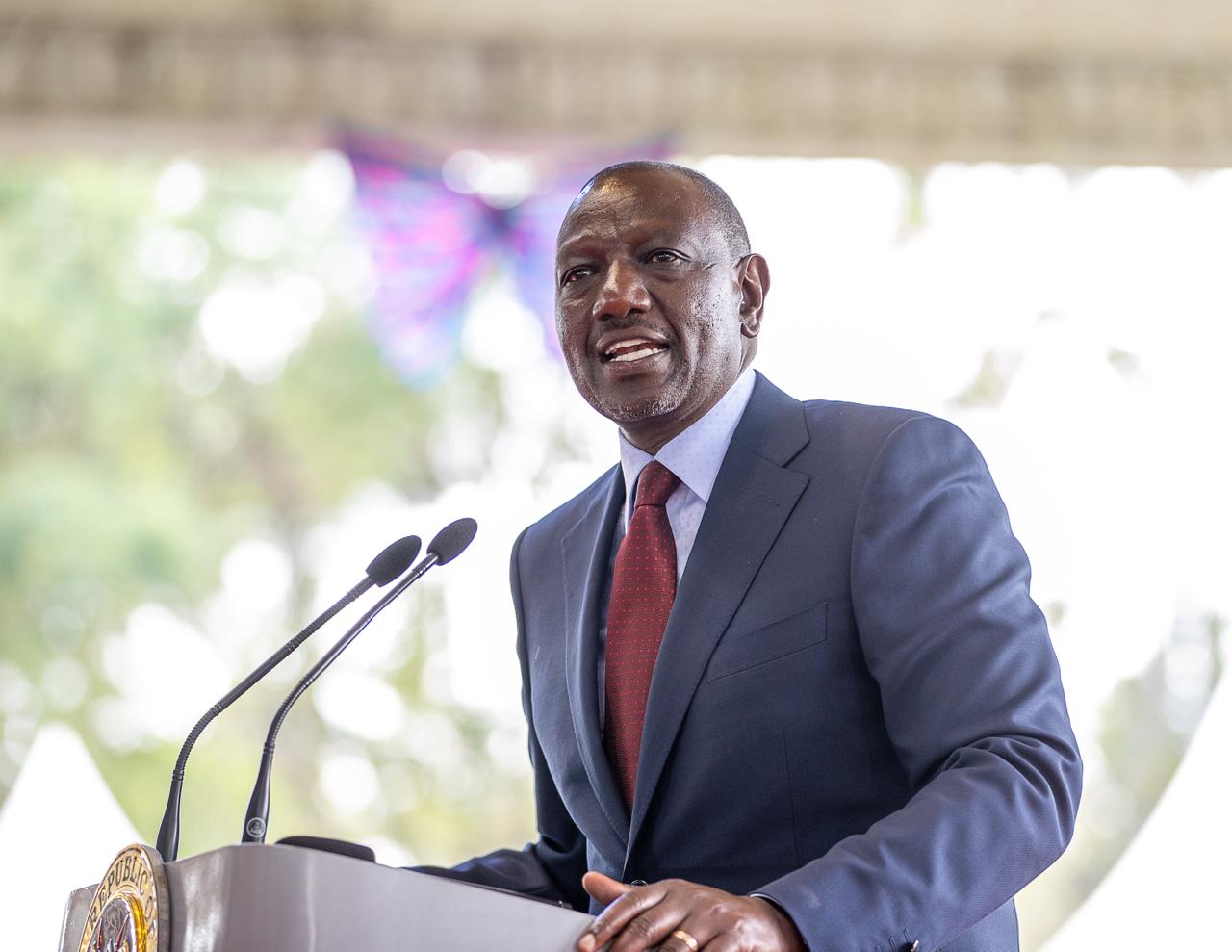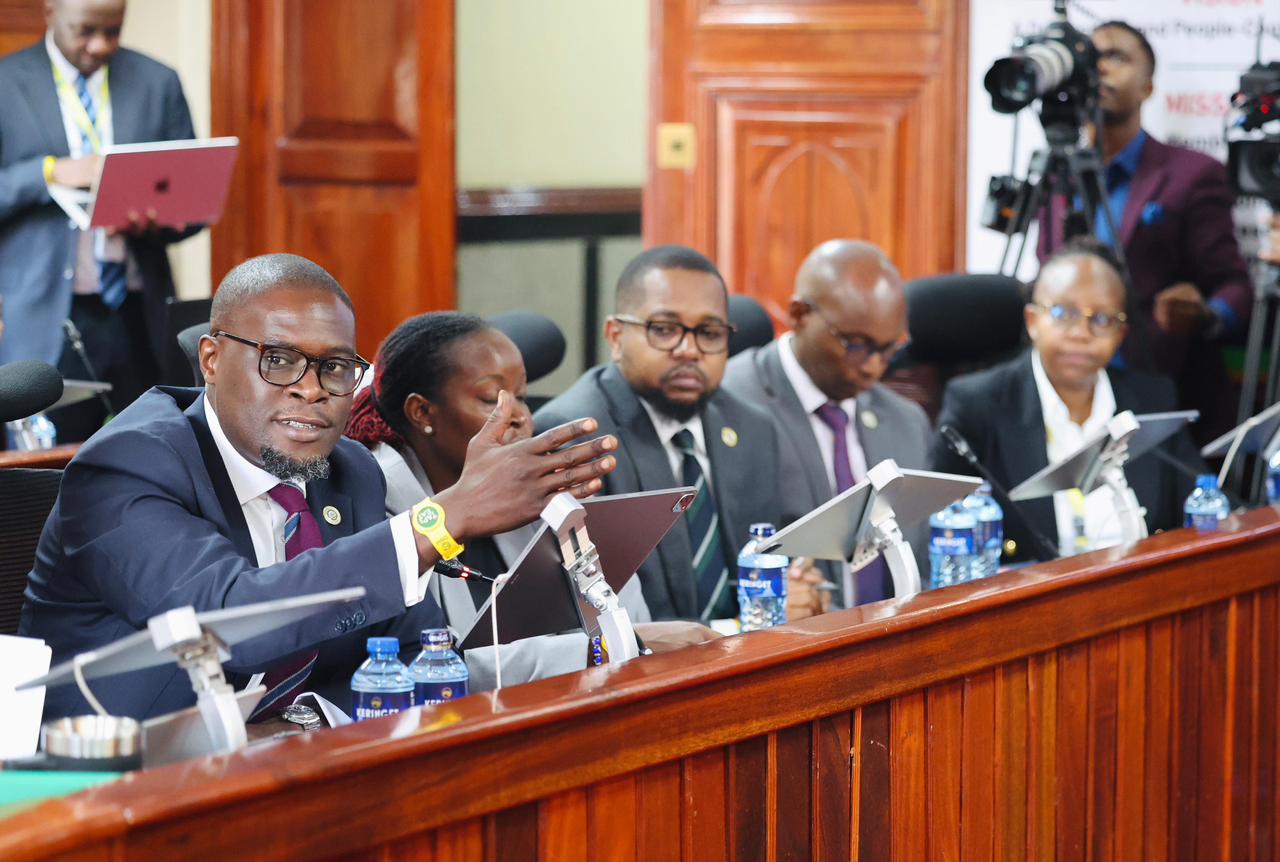
Nairobi Governor Sakaja Johnson has told the Senate that the proposed cooperation agreement between the county and the national government is both lawful and essential for the city’s development.
He argued that the arrangement is a partnership, not a takeover, and is designed to bring additional resources to a capital struggling to meet the needs of over seven million residents.
Speaking to the Senate Devolution and Intergovernmental Relations Committee on Thursday, Sakaja dismissed claims that the deal is irregular or unconstitutional.
He said the agreement aligns with legal provisions and mirrors similar arrangements in major cities worldwide.
“This cooperation is long overdue. I have spoken about it even when I was the Senator of Nairobi. We need more money. Nairobi is different apart from being a county, it is the face of Kenya as the capital city,” he said.
The Governor based his defence on Section 6 of the Urban Areas and Cities Act, which requires counties and the national government to cooperate.
He described the legal obligation as “mandatory” and highlighted the 13-year delay since devolution began.
“It is mandatory, as provided for in law, to cooperate. It is indeed late, coming 13 years since devolution,” he noted, explaining that Nairobi’s current allocation of about Sh45 billion is insufficient for the scale of the city.
Sakaja compared Nairobi’s budget with Paris, a city of two million that operates with Sh1.5 trillion annually, stressing the need for more funds to bring Nairobi up to global standards.
“To be where Paris is, we need more money.”
He clarified that the cooperation does not involve transferring county functions under Article 187 of the Constitution, which would otherwise require a formal deed and potentially create a separate entity like Nairobi Metropolitan Services.
“This is not a transfer of functions. We shall continue running as a county, and the National Government will come in to provide additional resources for development,” he said.
Sakaja listed projects that would benefit from the collaboration, including Sh1 billion for additional classrooms, the Sh50 billion Nairobi River rehabilitation programme, and expanded street lighting.
“Lighting is a security issue of the National Government. This collaboration will sort that,” he explained.
On public participation, the Governor argued that the Constitution must be interpreted as a whole, citing Article 118 along with Section 6(2) of the Urban Areas and Cities Act as reinforcing consultation and collaboration between the two levels of government.
“The Constitution uses mandatory language ’shall cooperate’ under Section 6 of the Urban Areas and Cities Act. That directive already reflects the sovereign will of the people,” he said, asserting that the partnership is constitutionally valid and not a handover.
He also addressed concerns about oversight, pointing out that accountability is built into existing constitutional structures.
“Funds under national government structures are overseen by the National Assembly. Matters touching on devolution fall within the mandate of the Senate. So if any monies are lost, there is a clear way to address that.”
As scrutiny continues, the Nairobi City County Assembly has launched public participation forums in all 17 sub-counties to gather residents’ opinions.
The Senate is expected to review the framework and issue recommendations as debate over the Nairobi–State collaboration unfolds.